“The secret sauce to winning at youth sports is the understanding that it all starts with the right coaching attitude. A team that has a low percentage of wins can still have a winning experience if a coach has the right attitude. And, a team that has a high winning percentage can have still a poor season if the coach loses sight of the big picture.
What constitutes the right coaching attitude? Here’s a list of 7 things every coach should know:
1. Focus on player development.
A coach’s primary responsibility is player development. It’s not about the won-loss record. Wins will take care of themselves if you take the right approach. During games, it’s not about critiquing refs’ calls or trying to influence calls. If you’re focused on teaching your players, there isn’t time for that.
Player development is all about improving individual and team skills. There’s a lot to learn at practices and at games. If you’re too focused on how the refs are calling the game, you can’t be as focused as you need to be on instructing players.
2. Take a lifetime learning approach to coaching.
Trying to coach a basketball team today based on how you remember being coached as a kid is a challenge. Take advantage of all the latest and greatest teaching techniques available. Read a book. Check out some YouTube videos on basketball coaching. Go to a coaching clinic. Talk to other coaches. Invite high school players to practice and have them demonstrate some drills. There’s a lot of knowledge out there. Being a great basketball coach means you’re always learning.
Most great basketball coaches I know are thieves in the best possible sense of that word. They take away key learnings and approaches from other coaches and teams. They’re always on the lookout for ways to better their coaching technique and to better their teams. And, for that reason, their teams get better.
3. Prepare for every practice.
Practice courts and practice fields are where teams are made, where players learn, and where bonds are formed. As a coach, you should take advantage of the time you have together with your team and be ready with a plan. Having a plan is an indicator that you’ve thought the practice through with goals in mind. One of the best things about bringing a short, written plan to practice is that it enables you to coach in the moment. You don’t have to worry about what you’re going to do next, so you can give your complete focus to the activity in front of you.
Like good chess players, good coaches don’t just plan out one move or practice, but they think ahead for several. To optimize the finite amount of time you have with your team, come prepared. Plan your practice time. You’ll accomplish so much more.
 4. Cultivate an atmosphere where kids can’t wait to come back to the next practice.
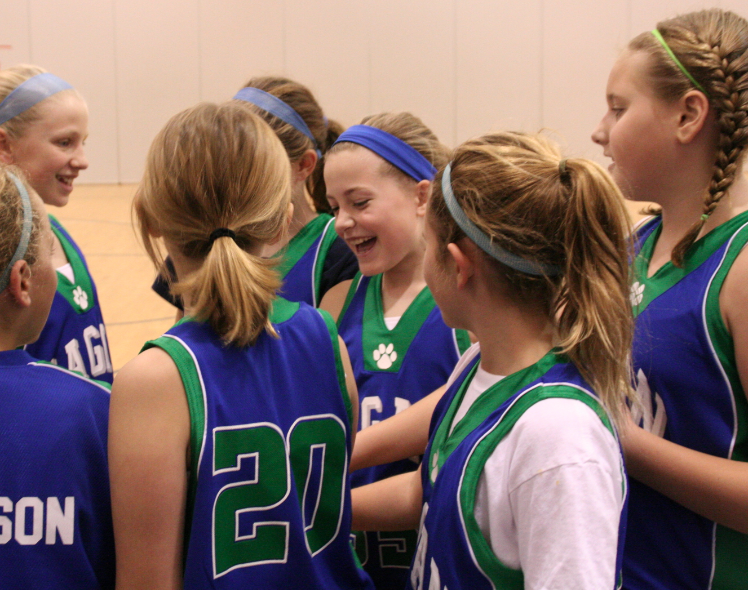
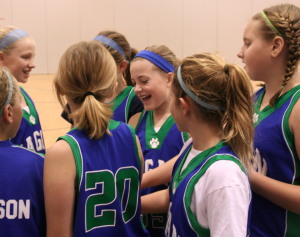
A challenge for youth coaches is to keep players engaged throughout the entire season. How do you do that? Keep it interesting. Keep it fun. Know your audience. In your practice plans, include some fun games and activities that you know your players will like. End practices on high notes, so that players leave wanting more. Mix it up. Don’t stay too long with one activity. Don’t lecture too much, especially when you first take the court. Ask your assistant coaches, players’ parents, and players for ideas on adding fun and keeping things interesting.
Find the right balance between working on challenging drills and easier practice topics. Spend some time planning fun just like you might plan on teaching a basketball skill. Consider a player activity off the court for some team bonding. Teams that are enjoying the process learn more and perform better.
5. Teach the big lessons.
Sports are great platforms to teach bigger life lessons. Some of the same issues, opportunities, and challenges that one faces in a game of soccer, basketball, or another sport, are what your players might be facing later on in their lives. The importance of working hard, setting goals, and teamwork are just some of the lessons that a good teaching coach can call out to players.
Lessons learned while players are young will stay with them throughout their lives.
6. Engage your players’ parents.
Involve as many players’ parents as you can in team activities. Some possible roles on your team include scorekeepers, assistant coaches, team parents, and team party hosts. Kids seem more engaged when their parents are involved in the team. For youth sports, communication with players’ parents is very important. Schedule an early meeting with parents to set expectations for the season, keep an updated calendar, and find the best way to communicate with all parents efficiently.
Email lists and parent meetings after games and practices work well for many teams. Don’t be shy about handing out compliments. What parent doesn’t want to hear that their child is doing well?
7. Let your stars shine.
It seems that some coaches try too hard to be superstar coaches at games. They’ll stand, they’ll pace, they’ll work the officials, they’ll scream, they’ll shout, and to what effect? It distracts from their players on the court. Youth sports are ultimately about the players. Let your stars shine. Parents and fans don’t come to games to watch coaches coach. They come to watch players play. Coaches need to act their role, and remember, it’s a supporting role.”
By Michael O’Halloran
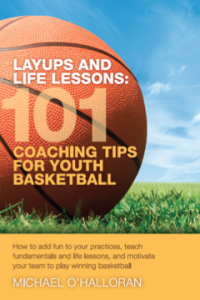
Book Excerpt: The above article is an excerpt from Michael O’Halloran’s book Layups and Life Lessons: 101 Coaching Tips for Youth Basketball.
About the Author: O’Halloran has coached youth sports for 15 years and is the founder of Sports Feel Good Stories. His new book Layups and Life Lessons: 101 Coaching Tips for Youth Basketball is available for sale now.
 needs to stop. Basketball doesn’t need to be as quiet as golf, but this is just bad sportsmanship. Officiating bodies: can we make this a point of emphasis this year? Referees should first give a warning to the offending player and that player’s coach. If the behavior continues, a technical foul should be called for poor sportsmanship.




 2.) The History Lesson and an 1891 game. Early in the season, at a pre-practice meeting — before you’ve taken the court — educate your players a little on the history of basketball. Describe how James Naismith invented the game in 1891 while working at a YMCA and used peach baskets for the original hoops. Now, here’s the thing to call out to players. The original rules of the game didn’t even allow for dribbling. Basketball was designed to be a passing game. It took 10 years before dribbling was added to the official rules. Dribbling evolved from players passing to themselves.
 4.) Incorporate the triple threat into the start of dribbling drills. When one of my teams was struggling to remember to get to the triple threat position in games, and instead was just catching and dribbling right away, I started incorporating the triple threat into dribbling drills. One of my favorite dribbling drills features players starting in a corner of the court and moving in a zig-zag fashion to free throw line middle, back to half-court sideline, and so-on; all the time working on dribbling low and their dribble transitions — cross-overs, between the legs, reverse dribble, etc. To emphasize triple threat, I now have a coach pass a ball to the player who must get in the triple threat position before starting their dribble routine. The same thing could be done in other dribbling drills. The triple threat position needs to become a habit for players. Constant reinforcement and practice is needed.

 6.) Prepare your practice plans. Setting some time aside before the season starts to think what you want to teach your players this season makes a lot of sense. In broad strokes, think of timing — what needs to be taught right away and what can wait till later in the season. I’m a big believer in teaching team defense and individual defense first with the thinking that if we can slow down opposing teams from scoring; we can compete in most games. Thus, for my first practices with a new team; I focus on teaching defense. As kids can get bored quickly, I like to change directions in practice by having a series of exercises and moving aggressively from one exercise to the next. By doing that, kids get some aerobic work in without coaches having to devote separate time for them to just run laps or sprints.